January 8, 2026
Pressure Washing vs. Soft Washing: What's the Difference and Which Do You Need?
Article
If you’ve started researching exterior cleaning for your home, you’ve probably run into two terms that get used interchangeably — even though they’re very different processes. Understanding the difference between pressure washing and soft washing isn’t just a technical detail; using the wrong method on the wrong surface can cause real, expensive damage.
What Is Pressure Washing?
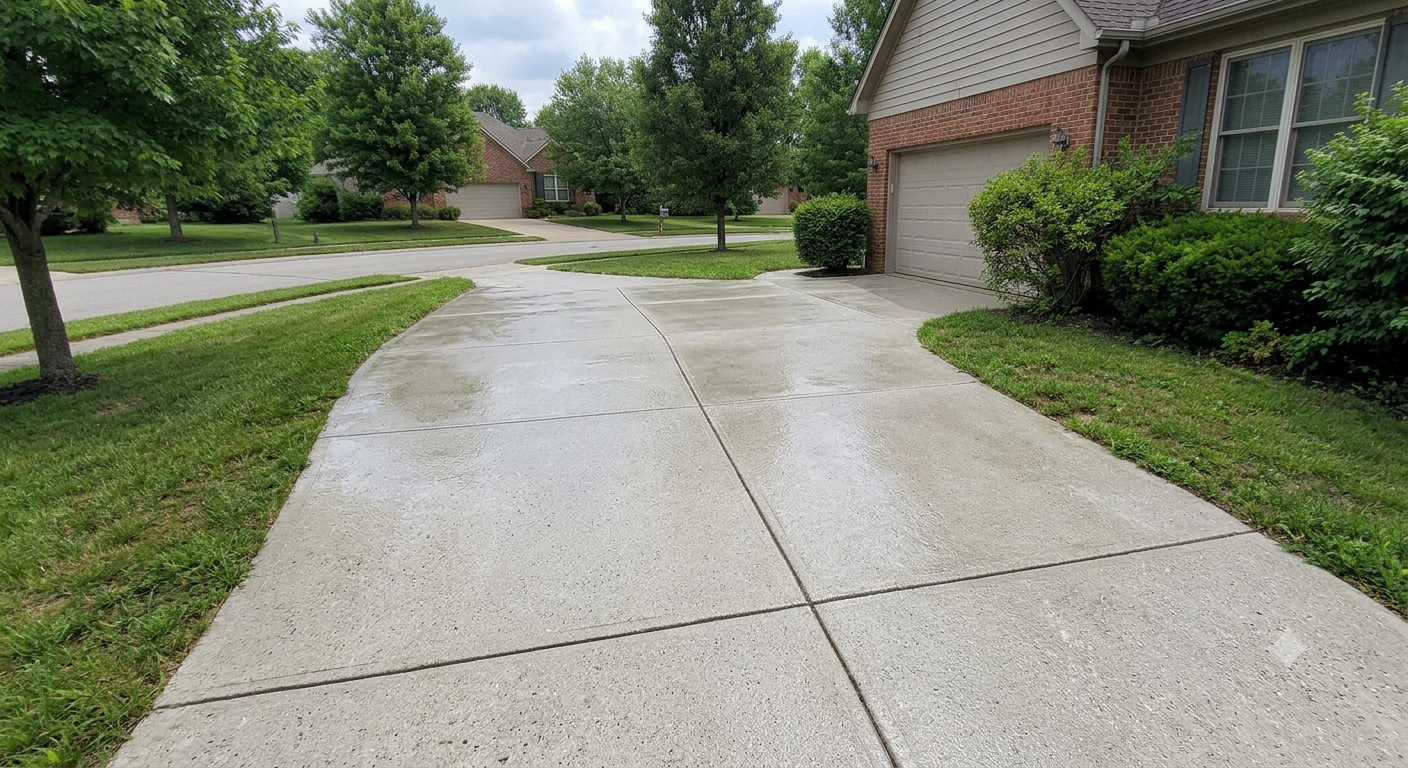
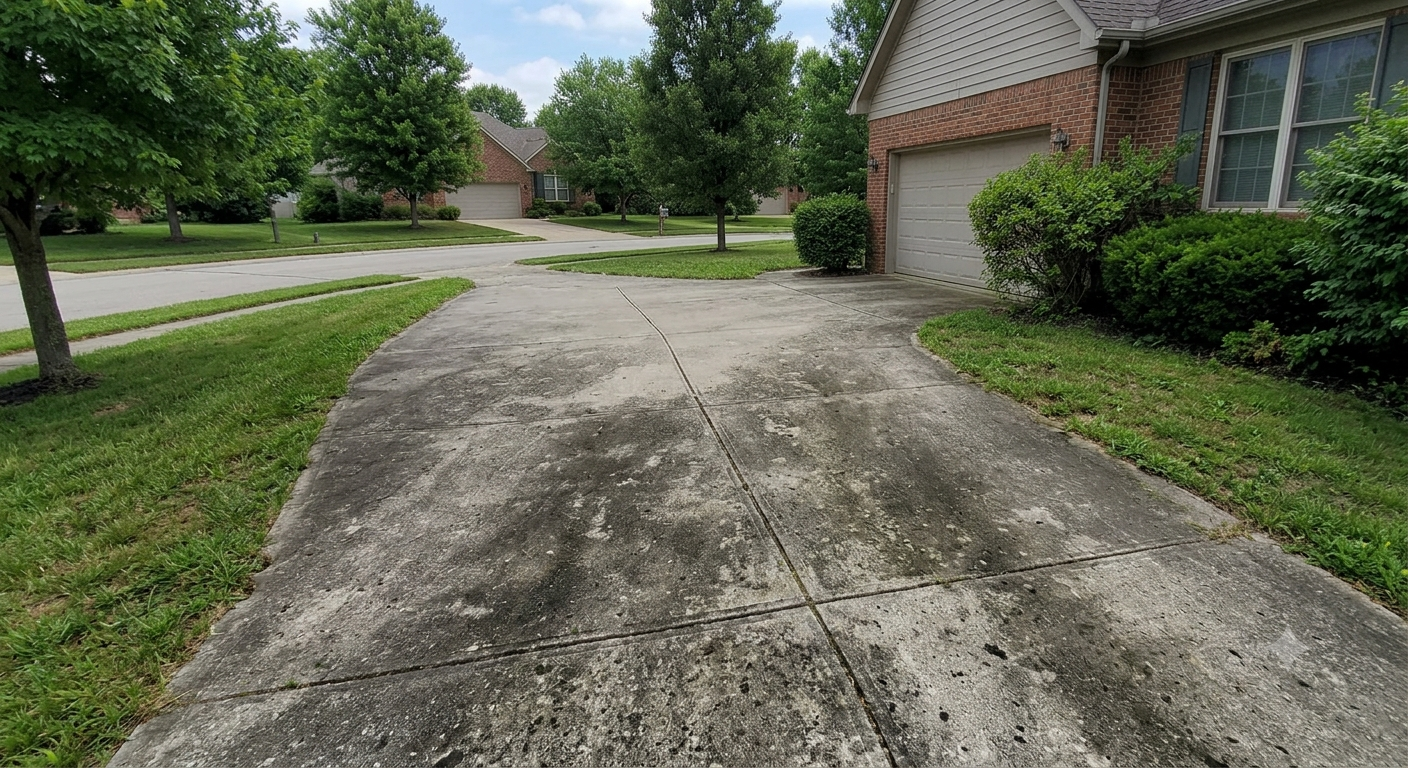
Pressure washing uses high-pressure water — often 3,000+ PSI — to physically blast dirt, grime, and stains off a hard surface. It’s mechanical force doing the work: the sheer velocity of the water strips away buildup. This makes it ideal for surfaces that can handle serious force without damage, like:
- Concrete driveways and walkways
- Brick pavers
- Some masonry and stone (in the right conditions)
- Certain commercial surfaces like dumpster pads and loading docks
Pressure washing is fast and effective on these hard, non-porous surfaces. But that same force is exactly why it’s the wrong tool for other parts of your home.
What Is Soft Washing?
Soft washing uses low water pressure combined with a specialized cleaning solution — typically a blend of water, surfactants, and an algaecide/mildewcide — to break down and kill organic growth like algae, mold, and mildew at the root. Instead of blasting dirt off, the solution does the cleaning work chemically, and a gentle rinse washes away what’s left. This makes it the correct method for:
- Roof shingles (composite, asphalt, and most tile roofs)
- Vinyl, wood, and fiber-cement siding
- Stucco and EIFS exteriors
- Painted surfaces
- Screens, soffits, and delicate trim
Why Using the Wrong Method Causes Damage
This is where a lot of DIY pressure washing goes wrong. High-pressure water on a roof strips protective granules off shingles and can force water up under them, leading to leaks. On siding, it can push water behind panels, causing mold growth inside your walls where you can’t see it. On stucco, it can crack or gouge the surface outright. Most roofing and siding manufacturers explicitly state that pressure washing voids their warranty — soft washing does not carry that risk when done correctly.
So Which One Do You Need?
In most cases, a full exterior cleaning job actually uses both methods on the same property: soft washing for the roof and siding, and pressure washing for the driveway, walkways, and any concrete or paver surfaces. That’s exactly how we approach every job at Colleyville Pressure Washing — matching the method to the material, not applying one technique to everything.
Get the Right Method for Your Home
If you’re not sure which service your home needs, that’s exactly what a free estimate is for. We’ll walk your property, identify which surfaces need soft washing versus pressure washing, and give you a straightforward recommendation — no upselling, just the right method for the job.
Explore our house washing and roof soft washing services, or check out driveway and concrete cleaning if your project is more about hard surfaces. Ready to get started? Call 469-236-0954 or request a free quote today.
FAQ: Pressure Washing vs Soft Washing
What surfaces should never be pressure washed?
Most asphalt shingle roofs, painted siding, stucco, and delicate trim should not be cleaned with high pressure. These surfaces are typically safer with soft washing.
Is soft washing just low-pressure water?
No. Soft washing combines low pressure with a targeted cleaning solution that breaks down algae, mildew, and organic buildup before rinsing.
Which is better for concrete: pressure washing or soft washing?
Concrete driveways and walkways usually respond best to pressure washing because they can handle higher force and often need mechanical cleaning to lift embedded stains.
Can the wrong cleaning method damage my home?
Yes. Using high pressure on the wrong surface can strip shingle granules, force water behind siding, and shorten material life.
How do I know which method my property needs?
Most properties need both methods: soft washing for roof and siding, pressure washing for concrete and other hard surfaces. A site assessment determines the safest mix.